
Hot Closed-Die Forging for High-Performance Hydraulic Cylinder Components | Material Selection, Full Process & Real Project Cases
Intro
Hydraulic rod eyes, clevis lugs and cylinder end fittings are core load-bearing components of hydraulic systems for construction, mining and agricultural machinery. Under cyclic high pressure, alternating tension/compression and frequent impact load, ordinary cast iron parts often suffer from internal porosity, shrinkage cavity and early cracking. More global hydraulic equipment manufacturers switch to alloy steel hot closed-die forging for critical hydraulic spare parts. As a professional China-based hydraulic forging & casting factory with over 15 years of export experience to USA and worldwide markets, we specialize in custom non-standard forged hydraulic components from AISI 4140, AISI 8630, 1026 carbon steel and ASTM A572 series steel, delivering cost-effective, high-quality custom forging solutions for domestic and overseas clients.
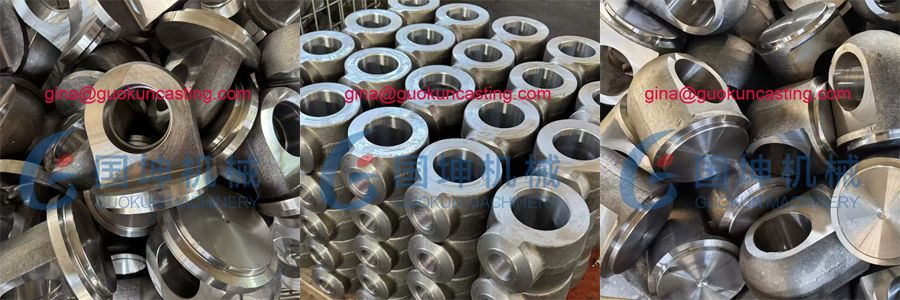
1. Main Common Forging Materials for Hydraulic Components
We select industry-standard hydraulic-grade forging steels per client’s working pressure and load requirements:
- AISI 4140 Alloy Steel: Most popular for high-pressure heavy-load hydraulic rod eyes and clevis parts; excellent tensile strength, hardenability and fatigue resistance after quenching & tempering, ideal for hydraulic cylinders used in heavy-duty excavators and loaders.
- AISI 8630 Alloy Steel: Low-alloy nickel-chromium-molybdenum steel with superior low-temperature toughness, widely applied for hydraulic fittings working in cold-region construction machinery.
- ASTM A519 C1026 / 20# Carbon Steel: Cost-efficient option for medium-low pressure hydraulic accessories, good machinability and weldability for general hydraulic cylinder connection parts.
- ASTM A572 Gr.50/Gr.65 HSLA Steel: High-strength low-alloy steel for hydraulic base lugs and mounting brackets of large hydraulic equipment.
We also provide equivalent material substitution service to help customers cut procurement cost without sacrificing mechanical performance, with full MTR (Material Test Report) for customs clearance of US shipments.
2. Step-by-Step Hot Closed-Die Forging Production Process (Core Craft Details)
Our full in-house forging workflow covers raw material inspection → heating → precision closed-die hot forging → trimming → customized heat treatment → CNC precision machining → surface finishing → full QC inspection:
- Raw Material Incoming Inspection: All steel bars (4140/8630/1026) go through chemical composition and hardness test before production, reject unqualified raw stock to avoid hidden quality defects.
- Induction Heating: Steel blank heated uniformly via intermediate-frequency induction furnace to accurate forging temperature (850~1250℃ based on steel grade). Uniform heating prevents partial overburning or cold forging crack, ensures consistent metal flow during forming.
- Closed-Die Hot Forging Forming: Heated blank is placed into customized precision forging dies, pressed by hydraulic forging press. Closed-die design forces molten metal grain to flow tightly following component’s outline, eliminates inner shrinkage hole, porosity and loose grain that frequently occur in sand casting. The finished forging blank owns compact internal metallurgical structure, 30%~50% higher fatigue strength vs same-spec cast parts.
- Flash Trimming: Extra material flash around forged blank is removed by trimming press to get near-net-shape semi-finished parts, greatly reduce subsequent CNC machining allowance and save processing cost for clients.
- Custom Heat Treatment: Per client specification, apply quenching + tempering, normalizing or annealing:
- AISI4140/8630: Quench + high-temperature temper to adjust hardness between 220~320HB for balanced strength and toughness, fit high-pressure hydraulic service;
- C1026 carbon steel: Normalizing to release forging internal stress and improve cutting performance.
4140 low alloy steel chemical composition
Chemical composition Standard ASTM A29 EN 10083/EN 10250 JIS G4105 Grade 4140 42CrMo4/1.7225 SCM440 C% 0.38-0.43 0.38-0.45 0.38-0.43 Mn% 0.75-1.00 0.6-0.9 0.60-0.85 P% 0.035 0.035 0.03 S% 0.040 0.035 0.03 Si% 0.15-0.35 0.4 0.15-0.35 Cr% 0.8-1.10 0.9-1.2 0.9-1.2 Mo% 0.15-0.25 0.15-0.30 0.15-0.30 - CNC Precision Machining: In-house CNC lathe & machining center process inner mounting bore, end sealing surface and threaded holes, control tight dimensional tolerance within ±0.02mm to guarantee seamless assembly on hydraulic cylinder.
- Final QC & Surface Treatment: Strict dimensional check, hardness test and visual flaw inspection; optional painting, black oxide coating for rust prevention before export packaging.
3. Real Export Project Cases (US Customer Cooperation Examples)
Case 1: US Construction Machinery Client’s AISI4140 Forged Rod Eye Project
A US hydraulic cylinder manufacturer placed custom non-standard forged rod eye order (the part in our product photo). Original client planned to use cast ductile iron QT450-12, but field test found cast parts cracked after 3-month heavy-load operation under 28MPa working pressure. We recommended switching material to AISI4140 forged steel, adopt closed-die forging + QT heat treatment. After small-batch prototype test, finished forged rod eye passed client’s fatigue life test, no cracking after 500,000 cyclic pressure tests. Client changed bulk order from casting to forging, stable annual repeat order over 80,000pcs till now.
Case 2: North American Agricultural Machinery 8630 Forged Hydraulic Clevis Customization
One Canada farm equipment brand needed non-standard hydraulic clevis working in -30℃ cold environment; ordinary 1026 carbon steel cracked easily under low-temperature impact. Our engineering team selected AISI8630 alloy steel forging, optimized forging heating curve and low-temperature tempering process to improve cryogenic toughness. All samples passed client’s low-temperature impact test, we finished mass production and delivered goods with full export certification documents, long-term annual cooperation ever since.
4. Our Factory Core Competitive Advantages for Global Buyers
- Focus on Custom Non-Standard Forging: Accept drawing/sample-based customized hydraulic forging production, support prototype small trial order and large-volume mass production flexibly, no MOQ restriction for custom developing parts.
- Factory Direct Low Price + Strict Quality Control: Self-owned forging workshop, heat treatment line and CNC machining workshop, remove intermediate dealers to offer competitive factory pricing; full-process quality inspection system to keep stable high product quality.
- Rich Global Export Experience: Over 15 years of manufacturing & export experience, cooperate with hundreds of domestic enterprises and global clients mainly from USA, Canada, Europe, familiar with US customs rules and international hydraulic industry standards, provide complete inspection certification and MTR documents for smooth customs clearance.
- One-Stop Service: From drawing optimization, forging die development, hot forging, heat treatment, precision machining to export customized packaging, we handle all production links to save client’s procurement time and cost.
Have custom hydraulic forging or casting project pending? Send your part drawings, material requirements and working condition details to us for free technical evaluation and competitive quotation. Our professional engineering team will recommend optimal forging material and production process to match your application!
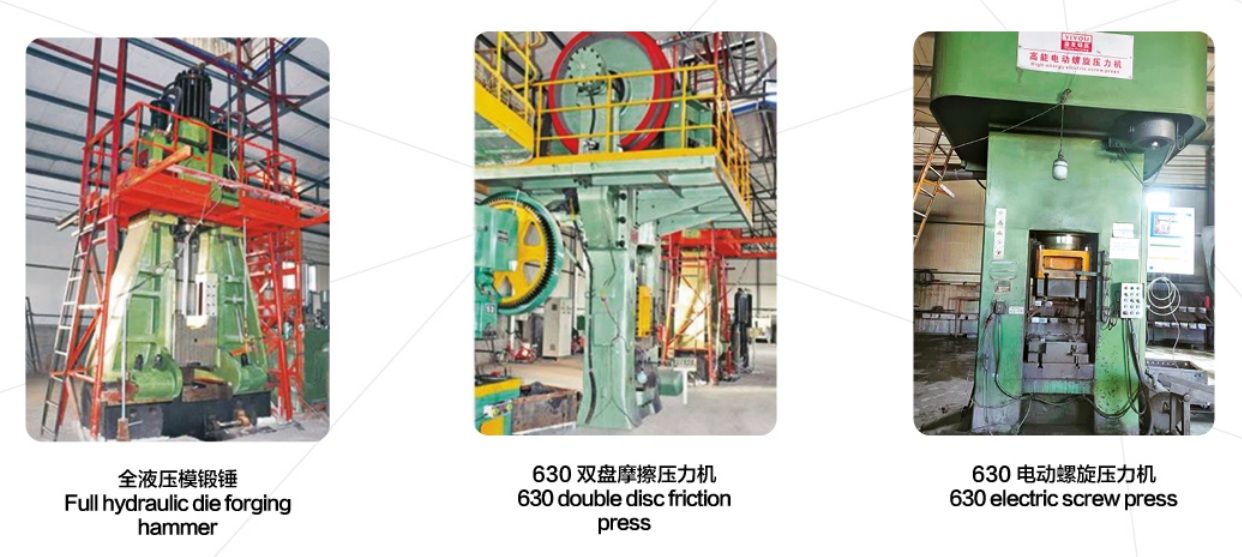
Baoding Guokun mold forging equipment
Baoding Guokun Machinery Co., Ltd.
Baoding Guokun Export and Import Trading Co., Ltd
Office Add: 777# Chaoyang South Street, Baoding City, Hebei, 071000, China
Factory Address: Zhuzhuang Industrial Zone, Lianchi District, Baoding City, Hebei Province
Website: www.metalcastingfactory.com
Tel: 86-312-5951319 Fax: 86-312-5951296
Phone: 86-181 3278 9710 (WhatsApp & WeChat)
Email: gina@guokuncasting.com